High-Profit Dessert Menu Ideas: How to Fight Butter Inflation with Smart Pastry Architecture
This article is an entry-level R&D guide designed to support our profit-margin analysis: Dorayaki Profit Margin: Why Your Restaurant Is Losing Money on Traditional Western Desserts.
Introduction: The Dairy Crisis in Modern Pastry Departments
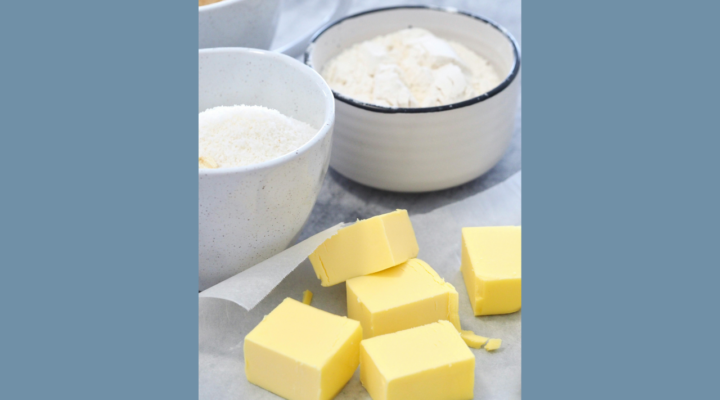
Pastry chefs in metropolitan markets are constantly hunting for menu ideas that excite high-net-worth diners while covering inclusive dietary preferences — and kitchens keep investing in premium branding and complex plating to stay competitive. But dairy commodity inflation — European butter, organic heavy cream, couverture chocolate — has quietly pushed standard dessert COGS to an unsustainable 28–35%. And because those rich, lipid-heavy desserts carry heavy calorie density, 30–40% of health-conscious Manhattan diners skip the dessert course entirely. Therefore protecting margin and lifting attach rate both come down to the same fix: stop building desserts on lipid-heavy formulas, and master the physics of high-yield structural architecture instead.
Shift dessert design from expensive fat toward starch-based water retention and fermentation science, and you can build show-stopping plates carrying a 10–16% raw food cost while still commanding premium pricing. Three menu ideas below leverage that structural science directly against ingredient inflation.
Idea 1: Hydrocolloid Gelation — Fluid Volume Without Fat
Traditional pastry uses milk fat and egg yolk lipid to trap air and simulate creaminess on the tongue — a lipid barrier that’s expensive and highly exposed to commodity inflation. Hydrocolloid gelation bypasses it entirely, using plant- or marine-derived gelling agents to lock water — the cheapest ingredient in any kitchen — into genuinely luxurious texture.
The structural science. Instead of heavy cream for a mousse, precise hydrocolloids — agar-agar, gellan gum, methylcellulose — bind fruit purée, herbal infusion, or floral water into delicate gels and elastic structures.
The texture hack. High-shear blending on a set hydrocolloid gel breaks the network into microscopic particles, producing a fluid gel that mimics fat’s lubricating mouthfeel with zero dairy. Methylcellulose specifically enables thermal-reversible gels — solid hot, melting as they cool — a multi-temperature dining effect at near-zero raw material cost.
The economics. Hydrocolloids work at 0.1–1.5% of total formula weight, so a single bag turns gallons of cheap local juice and water into high-margin plated elements: fluid gel drops, translucent sheets, melt-in-the-mouth glass tuiles.
Idea 2: Plated Artisan Wagashi — Fat-Free Water Retention
For a warm, comforting cake dessert without butter and chocolate’s cost, look to Japanese wagashi’s structural physics — specifically, artisan plated Dorayaki.
A Western sponge relies on a lipid matrix — butter, egg yolk — wrapped around flour starch to prevent staling. Dorayaki achieves the same moist, plush crumb entirely through lipid-free water retention instead.
[Traditional Western pastry — lipid-dependent]: flour starch wrapped in high-cost butter and heavy cream. High food cost (28–35%), high calorie density (drives dessert skips).
[Plated artisan Dorayaki — water-retention chemistry]: egg-foam matrix bound by hygroscopic honey, sugar, and Mirin. Low food cost (10–16%), fat-free and prebiotic-dense (captures the “skip layer”).
Zero-fat moisture trapping. Whole egg’s natural emulsification builds a micro-foamed cell structure; hygroscopic sugar, honey, and Mirin folded into the batter form hydrogen bonds with water, trapping moisture inside the starch network tightly enough to keep the cake soft and elastic without a gram of butter.
The 2.5x hydration yield of Azuki. Boiling raw, dry Azuki gelatinizes the starch and absorbs both water and dissolved sugar, expanding the raw weight by 2.3–2.6x. You’re effectively selling bound water — the core filling ingredient carries a near-frictionless cost.
For the full, line-by-line commercial breakdown of how a warm plated Dorayaki with cold gelato and fruit coulis costs $1.29 to produce against a $12.00 menu price (10.7% food cost), see:
>>> Dorayaki Profit Margin: Why Your Restaurant Is Losing Money on Traditional Western Desserts
Idea 3: The Fermentation Route — Umami Without Lipids
Modern culinary science has shown richness doesn’t require fat. Fermentation-driven umami can deliver the same satisfying sensory depth traditionally sold on butter and cream.
The structural science. Avant-garde fermentation labs — Noma among them — have shown that fermented elements like rice koji or Sake Kasu (sake lees) trigger the brain’s protein-detection receptors directly, producing a genuine sensation of richness with zero fat present.
The upcycling hack. Sake Kasu — a nutrient-dense sake-brewing byproduct — carries complex yeast and fruit aroma at a very low upcycled cost. Fold it, or Koji Amazake, into house-made ice cream, sorbet, or gel, and you’re selling a genuine “sustainable fermentation” story diners will pay a premium for, at a fraction of standard COGS.
The Dorayaki integration. This route folds directly into the signature wagashi plate. A multi-layered Matcha and Sake Kasu cream elevates a warm griddle cake into a deluxe $12.00 plated dessert — bypassing Western dairy commodities entirely, staying fully plant-based, and delivering a depth of flavor that lingers well past the meal.
Conclusion: Stop Copying Recipes, Start Designing Architecture
In an era of relentless ingredient inflation, leaning on heavy, dairy-dense Western recipes is a slow bleed on margin. A genuinely profitable pastry department is built on food physics — understanding how starch, water, and air interact to build volume, hold texture, and still land on the plate as something worth ordering.
- Step 1: Acquire the Foundational Physics (Online Bundle): Learn the precise fluid dynamics of the egg-sugar matrix and griddle thermodynamics with The Dorayaki Professional Mastery Path Bundle .
- Step 2: Customize Your Target COGS (3-Day Tokyo Live Schooling): Bring your restaurant’s unique financial targets and kitchen menu list as your “homework” [96]. Join us for our private, one-on-one 3-Day Live Schooling in Tokyo at Wagashi Labo Ichiyo [96]. Work face-to-face with Master Yoko Senoo to scientifically finalize, troubleshoot, and standardize a custom high-profit menu program that hits your exact profit thresholds and runs flawlessly on your service line.
The Dorayaki Quality Design Series
Build an uncompromised command of authentic Wagashi engineering. Explore our complete professional knowledge series to master the foundational design laws of Japanese confectionery:
- Pillar Essay: Q. What Defines Dorayaki? The Art of Harmony Between Anko and Cake
- Quality Guide: Q. What Makes Anko Essential to Dorayaki?
- Market Strategy: Q. Could Anko Be the Next Plant-Based Dessert Ingredient?
- Gluten-Free Analysis: Q. Why Don’t Traditional Japanese Wagashi Shops Sell Gluten-Free Dorayaki?
- Texture Design: Q. How Is Dorayaki’s Signature Texture Designed?
- Vegan Strategy: Q. Can Dorayaki Introduce Customers to Vegan Wagashi?
- Pillar Page: Q. Can Sugar Be Replaced in Authentic Dorayaki Recipes?
- Troubleshooting Guide: Q. Why Your Custom Dorayaki Filling Fails (And How to Fix It)
- Industry Pillar: Q. The Dorayaki Industry Outlook: A Pastry Chef’s Low-Risk Roadmap to Commercial Scaling
- Standardize Kitchen Training: The Leverage of Delegation: How to Standardize Elite Wagashi Training Inside a Western Kitchen