
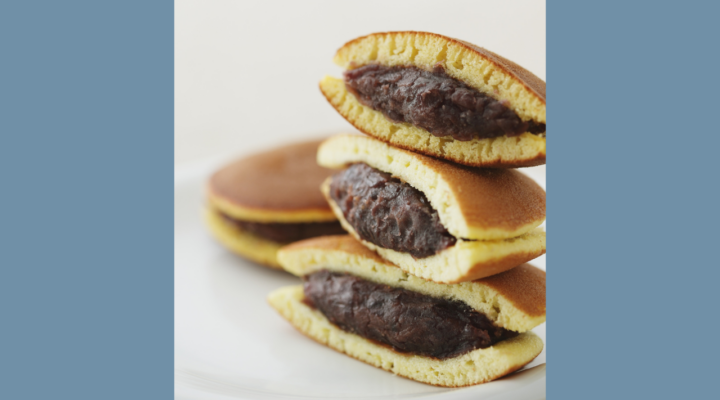
Q. Dorayaki Profit Margin: Why Your Restaurant Is Losing Money on Traditional Western Desserts
This article is an entry-level R&D guide designed to support our pillar guide: The Dorayaki Industry Outlook: A Pastry Chef’s Low-Risk Roadmap to Commercial Scaling.
Introduction: The Pastry Department’s Silent Crisis
New York pastry teams are under real pressure to build dessert menus that are visually distinctive, culturally engaging, and dietary-inclusive — and many are spending heavily on CapEx and labor to formulate dairy-free, plant-based alternatives. But the ingredients behind classic Western desserts — heavy cream, high-fat butter, imported couverture — have inflated hard enough to push standard dessert COGS to 28–35%. And because those rich, lipid-heavy desserts carry heavy calorie density with no functional health upside, 30–40% of diners routinely skip the dessert course altogether. Therefore protecting margin and driving dessert sales both point to the same fix: a menu item that bypasses dairy fat, runs on high-yield ingredients, and captures that dormant “dessert-skipper” segment.
Here’s the unit economics behind exactly that: a plated, artisan Dorayaki running a 10–16% raw food cost, generating over $10.70 in contribution margin per plate.
Part 1: The Molecular Breakdown of a $1.29 Plated COGS
Convincing an executive chef, owner, or CFO requires raw unit economics, not cultural storytelling. Here’s the ingredient-by-ingredient cost for one plated portion, calibrated to NYC commercial wholesale pricing.
A. The Dorayaki base (shells & house-made Anko)
| Ingredient | Cost | Basis |
|---|---|---|
| Pastry/all-purpose flour (30g) | $0.04 | Standard 50lb bag, ~$25.00 |
| Whole eggs (0.6 eggs) | $0.18 | Commercial case, ~$0.30/egg |
| Fine granulated sugar (20g batter + 25g filling) | $0.07 | Standard 50lb bag, $35.00 |
| Honey, genuine Mirin, leavening | $0.08 | Essential humectants for color and crumb elasticity |
| Azuki beans (25g dry weight) | $0.12 | Commercial-grade dry beans, $80.00/50lb bag; 25g dry yields ~60g finished paste through hydration |
| Base Dorayaki cost | $0.49 |
B. Plated presentation garnishes
Elevating a hand-held sweet to a fork-and-knife, $12.00 plate means surrounding the warm cake with contrasting temperature and acidity.
| Garnish | Cost | Purpose |
|---|---|---|
| Premium house-made gelato/sorbet (1 scoop, 45g) | $0.40 | Cold element against the warm cake |
| Seasonal fruit coulis or acid purée (raspberry, Yuzu) | $0.30 | Bright acidity to cut the bean paste |
| Artisan finish (micro-greens, tuile, gold leaf, salt) | $0.10 | |
| Garnish subtotal | $0.80 |
C. Total plated food cost and margin
- Total COGS per portion: $1.29 ($0.49 base + $0.80 garnish)
- At $12.00 menu price: $1.29 / $12.00 ≈ 10.75%
- At $10.00 menu price: $1.29 / $10.00 ≈ 12.90%
- Deluxe version (double-stack or Matcha/sake cream layer, COGS $1.90) at $12.00: $1.90 / $12.00 ≈ 15.83%
Estimates based on wholesale pricing from major NYC foodservice distributors (US Foods, Sysco, specialized Asian importers) as of August 2026. Actual costs vary with local contracts and volume discounts.
Part 2: The Physical Chemistry Behind the COGS Gap
Why does a plated Dorayaki consistently beat a classic French tart, lava cake, or mousse by over 50% on food cost? It comes down to the physical chemistry of the raw ingredients.
| Standard Western Dessert (Mousse/Tart) | Artisan Dorayaki Dessert | |
|---|---|---|
| COGS | $3.50 – $4.50 | $1.30 – $1.90 |
| Food cost | 28% – 35% | 10% – 16% |
| Gross profit | $7.50 – $9.50 | $10.10 – $12.10 |
| Structure | High dairy/chocolate lipids, short shelf life (high waste) | Zero-fat starch structure, 2.5x hydration yield (Azuki) |
(NYC, August 2026)
1. Zero-fat starch architecture. Western pastry relies on butter — 80% fat, a major line item — and heavy cream to lubricate starch and coat the palate. Dorayaki gets its plush, moist crumb a different way entirely: egg yolk’s natural emulsification combined with hygroscopic sugar, honey, and Mirin traps moisture without a gram of butter. Because you’re not exposed to volatile dairy commodity pricing, ingredient cost stays stable through inflation cycles that hit Western desserts hard.
2. The 2.5x hydration yield of Azuki. With almond flour or dark chocolate, you pay for exactly the dry weight you use. Azuki works differently — cooking raw, dry beans drives starch gelatinization, absorbing water and dissolved sugar as it goes. That expansion increases raw material weight by 2.3–2.6x. Water, the cheapest input in any kitchen, becomes a structural component of the finished, high-value filling.
Part 3: Capturing the Wellness “Skip Layer”
Every busy Manhattan dining room has a segment that skips dessert on principle — viewing it as empty calories loaded with saturated fat. That skip layer typically runs 30–40% of the dinner crowd. A plated Dorayaki unlocks it by reframing the category from guilt to wellness.
Prebiotic resistant starch. Azuki’s cook-and-cool cycle recrystallizes its starch into prebiotic resistant starch, which bypasses small-intestine digestion, feeds gut bacteria, and avoids the insulin spike a refined-fat Western pastry triggers.
Amino acid completeness. Azuki alone carries all nine essential amino acids at a score of 82; paired with the grain protein in the skin and whole egg, the finished Dorayaki reaches a full amino acid score of 100 — genuine functional nutrition, not a marketing gloss.
Selling that wellness narrative to high-net-worth diners takes solid evidence and the right tableside language — for the full dialogue and data on polyphenols, Vitamin B1, and iron density, see Q. Healthy Dessert Science: How Azuki Redefines “Guilt-Free” Luxury for US Diners. Frame the plate as inclusive, fat-free, high-protein, and digestion-friendly, and your floor staff can convert chronic dessert-skippers into buyers — lifting both check size and dessert attach rate.
Part 4: The CFO-Level Pitch — Business & ROI Impact
Run the numbers for a typical 80–100 seat premium Manhattan restaurant averaging 250 covers/day, at a standard 20% dessert attach rate — 50 dessert portions daily.
1. Incremental contribution margin per portion
- Standard Western chocolate cake: $12.00 sale − $3.80 COGS = $8.20 gross profit
- Chef-designed plated Dorayaki: $12.00 sale − $1.30 COGS = $10.70 gross profit
- Net profit increase per plate: +$2.50, straight to the bottom line
2. Annual bottom-line projection (50 portions/day, 1,500/month)
- Western dessert monthly profit: 1,500 × $8.20 = $12,300
- Dorayaki monthly profit: 1,500 × $10.70 = $16,050
- Monthly improvement: +$3,750
- Annual impact: +$45,000 in pure cash
| Gross Profit | |
|---|---|
| Standard Western pastry program | $147,600 |
| Plated Dorayaki program | $192,600 |
| Net annual cash increase | +$45,000 (pure cash flow) |
3. Eliminating food waste. Western pastry — mousse, cake, tart — requires large advance batches, with a rigid 48–72 hour shelf life before starch retrogrades or cream splits, forcing kitchens to accept 10–15% shrinkage as standard. Dorayaki removes that constraint entirely: dry Azuki stores indefinitely, finished Anko freezes without cellular damage, and liquid batter holds cold for up to 48 hours. Because a trained line cook can griddle a fresh skin on a Hiranabe in under two minutes per ticket, you prepare only what’s ordered — waste drops to near zero, and theoretical margin actually matches what lands in the bank.
Conclusion: Stop Sacrificing Margins for Craft
In this cost environment, culinary prestige and healthy margin aren’t a trade-off. A 10–16% COGS dessert commanding $12.00 on a Manhattan menu isn’t aspirational — it’s a direct application of wagashi’s physical chemistry and efficient kitchen operations.
Step 1: Master the Baseline Chemistry (Online Bundle). Learn the fluid dynamics of the egg-sugar matrix and griddle thermodynamics in The Dorayaki Professional Mastery Path Bundle.
Step 2: Customize Your Target Margins (3-Day Tokyo Live Schooling). Join our private 3-Day Live Schooling in Tokyo in Tokyo. Bring your restaurant’s financial targets and menu list as homework, and work one-on-one with Master Yoko Senoo at Wagashi Labo Ichiyo to calibrate a proprietary plated recipe that hits your specific profit target, matches your local ingredients, and slots cleanly into your service line.
[Explore The Dorayaki Professional Mastery Path Bundle and start your custom margin design today →]
The Dorayaki Quality Design Series
Build an uncompromised command of authentic Wagashi engineering. Explore our complete professional knowledge series to master the foundational design laws of Japanese confectionery:
- Pillar Essay: Q. What Defines Dorayaki? The Art of Harmony Between Anko and Cake
- Quality Guide: Q. What Makes Anko Essential to Dorayaki?
- Market Strategy: Q. Could Anko Be the Next Plant-Based Dessert Ingredient?
- Gluten-Free Analysis: Q. Why Don’t Traditional Japanese Wagashi Shops Sell Gluten-Free Dorayaki?
- Texture Design: Q. How Is Dorayaki’s Signature Texture Designed?
- Vegan Strategy: Q. Can Dorayaki Introduce Customers to Vegan Wagashi?
- Pillar Page: Q. Can Sugar Be Replaced in Authentic Dorayaki Recipes?
- Troubleshooting Guide: Q. Why Your Custom Dorayaki Filling Fails (And How to Fix It)
- Industry Pillar: Q. The Dorayaki Industry Outlook: A Pastry Chef’s Low-Risk Roadmap to Commercial Scaling
- Standardize Kitchen Training: The Leverage of Delegation: How to Standardize Elite Wagashi Training Inside a Western Kitchen