Q. Can Sugar Be Replaced in Authentic Dorayaki Recipes?
Introduction: The Functional Sweetener Fallacy
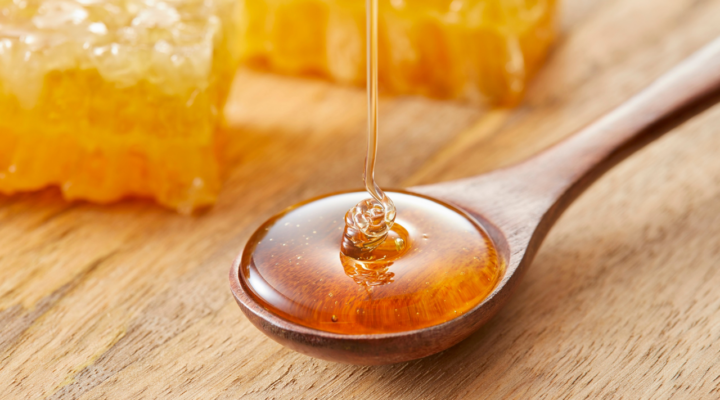
The wellness movement has made sugar substitution one of the most common requests in a modern pastry kitchen, and on the surface it looks straightforward — coconut sugar, maple, agave, and honey can all match cane sugar’s raw sweetness, and a low-GI, clean-label line reads well on a New York dessert card.
But sweetness is the one function of sugar that is easiest to replace and least important to the outcome. In an authentic Dorayaki, sucrose is not a passive sweetener; it is a reactive structural component that governs gas retention, protein stabilization, browning, moisture, and shelf life simultaneously. Swap it on flavor alone, and the physics of the batter collapses underneath you.
Therefore, before you alter a single gram, you need the full map of what the sugar is actually doing — and this pillar lays out the six structural functions that determine whether a substitution survives contact with the craft.
The 6 Structural Functions of Sugar in Dorayaki
1. Sweetness & Sensory Calibration
Sucrose sets the baseline for the entire flavor architecture — but in a Dorayaki its job is to lift the earthy, nutty notes of the Azuki while suppressing the raw edge of the flour. This is also why Japanese confectioners deliberately alternate between Johakuto, granulated sugar, and Shirozarato: each produces a measurably different sharpness, clean finish, and aromatic length in the final bite. Why does swapping one refined sugar for another shift the entire sensory profile?
➡ The Sugar Profile Secret: Q. How Do Japanese Confectioners Design Sweetness in Dorayaki?
2. Structure & Foam Stability
The tight, velvety pore structure of a professional Dorayaki skin — nothing like a Western genoise or a rustic pancake — is built during mixing, when sugar wraps the egg proteins and delays their coagulation just long enough for the foam to expand and lock into a resilient scaffold. Reduce or liquefy the sugar and that scaffold fails under heat. Why does the loss of sugar-protein bonding turn a delicate crumb coarse, dry, and crumbly?
➡ Beyond Leavening Agents: Q. How Does Sugar Design Dorayaki’s Fluffy Structure?
3. Maillard Reaction & Caramelization
That flawless, matte golden skin and the aroma coming off the griddle are the product of a thermodynamic partnership between the Maillard reaction and caramelization — and every alternative sweetener carries its own ratio of glucose, fructose, and sucrose. Those ratios change the exact temperature at which browning triggers, and the aromatic compounds it releases. Why does one low-GI swap scorch while another stays stubbornly pale?
➡ Time and Temperature: Q. How Does Sugar Shape the Color and Aroma of Authentic Dorayaki?
4. Moisture Retention & Water Activity
Sugar is powerfully hydrophilic — it binds free water and lowers the pastry’s water activity (Aw), which is what keeps a Dorayaki velvet-soft without artificial softeners or preservatives. It is, in effect, the original clean-label preservation system. Why does disturbing that water-binding matrix quietly compromise your product’s stability the moment it goes into takeout or shipping?
➡ The Chef’s Introduction to Water Activity (Aw): Q. Why Is Moisture Control Essential in Authentic Dorayaki?
5. Starch Retrogradation Inhibition
A fresh Dorayaki is supple straight off the cooling rack — but every baked good ages, as gelatinized starch releases water and recrystallizes into a dry, stale crumb. Sucrose wedges itself between the starch chains, traps the water, and blocks that crystallization outright. But substitute sweeteners largely lack this precise physical blocking capacity, and therefore, without it, the crumb can harden within 24 hours. What exactly is the mechanism you’d be giving up?
➡ The Science of Softness: Q. How Does Sugar Prevent Starch Retrogradation in Authentic Dorayaki?
6. Water Migration Control
There’s a reason the old shops say a Dorayaki is better on the second day: moisture migrates from the hydrated bean center into the drier skin across an aging window, until the interface between them disappears. But the speed and endpoint of that migration are governed entirely by the sugar concentration — the osmotic gradient — in each layer. Disturb the brix, and the same mechanism that creates the melt instead splits and sogs the product. How do you calculate the balance that lands it on the right side?
➡ Designing the Melt Timeline: Q. How Does Sugar Control Water Migration in Authentic Dorayaki?
Conclusion: Are You Substituting Flavor, or Function?
Coconut sugar has a deep, appealing flavor and an attractive low-GI number — and a completely different molecular density and hygroscopic profile from sucrose. So the real question is not whether your substitute can match the sweetness. It’s whether it’s prepared to carry the weight of foam stabilization, Maillard color, moisture binding, and anti-staling defense all at once. If it can’t perform those physical tasks, the honest question becomes: how will your kitchen compensate for the structure, moisture, and shelf life you just removed?
Before changing a single variable, you have to understand what makes the authentic benchmark work. To see exactly how one low-GI swap plays out under real commercial conditions — batter aeration, surface color, and all — start with our case study:
➡ Case Study: Q. What Happens When You Replace Sugar with Agave Syrup in Dorayaki?
Deepen Your Expertise: From Chemistry to Recipe Design Now that you deeply understand the irreplaceable chemical roles of sugar, it is time to apply this science in your kitchen. Stop copying static recipes from the internet. Discover the authentic “San-do-wari” baseline and learn how to actively steer the four core chemical drivers—including sugar adjustments, mirin, and leavening agents—to design your own signature dorayaki texture: [Recipe Design & Customization] Q. How to Design Your Original Dorayaki Recipe: From Traditional Secrets to Custom Textures
The Quality Design Roadmap
Step 1: The Dorayaki Professional Mastery Path Bundle. The online curriculum where your team masters San-Do-Wari sugar hydration, oil-free surface grilling, and bean-paste viscosity control — on your own equipment, at your own pace. We expect professional students to complete at least 100 autonomous practice cycles to build a reliable base and understand the fluid behavior of the dough before attempting custom substitutions.
Step 2: The 3-Day Intensive Live Schooling in Tokyo. Your final quality audit. Working face-to-face under the direct, sensory supervision of master wagashi chefs, you will refine your hand movements, see the precise visual cues of correct consistency, and receive expert verification that your work meets an uncompromised consumer standard — the diagnostic eye that lets you engineer your own variations without breaking the product.
Understand every function. Then substitute with intent.
[Explore The Dorayaki Professional Mastery Path Bundle & Secure Your Tokyo Schooling Spot →]
The Dorayaki Quality Design Series
Build an uncompromised command of authentic Wagashi engineering. Explore our complete professional knowledge series to master the foundational design laws of Japanese confectionery:
- Pillar Essay: Q. What Defines Dorayaki? The Art of Harmony Between Anko and Cake
- Quality Guide: Q. What Makes Anko Essential to Dorayaki?
- Market Strategy: Q. Could Anko Be the Next Plant-Based Dessert Ingredient?
- Gluten-Free Analysis: Q. Why Don’t Traditional Japanese Wagashi Shops Sell Gluten-Free Dorayaki?
- Texture Design: Q. How Is Dorayaki’s Signature Texture Designed?
- Vegan Strategy: Q. Can Dorayaki Introduce Customers to Vegan Wagashi?
Deepen Your Expertise: Engineering Your Shelf Life Now that you understand how sugar physically controls water activity and moisture retention, it is time to apply this science to your business. How long should your specific dorayaki last? For professional pastry chefs, expiration dates are never assumed—they must be deliberately designed. Before you start testing recipes, discover how to calibrate your shelf life based on your exact retail strategy, from fresh plating to frozen distribution: [Business Strategy & Product Design] Q. What Should Your Dorayaki Expiration Date Be? Start With the Product You Want to Create