The Truth About Dorayaki Calories: A Chef’s Guide to Fat-Free, Nutrient-Dense Dessert Design
Capturing the “healthy indulgence” segment is no longer optional in a competitive New York menu — high-end diners want clean-label, nutrient-dense desserts that still deliver real sensory satisfaction. But most chefs chasing that goal end up in the same frustrating loop: vegan butter substitutes that wreck crumb elasticity, or a sugar cut that collapses the sponge into a rubbery sheet. The fix isn’t forcing Western pastry logic into an unnatural configuration — it’s mastering the subtraction-based philosophy that traditional wagashi already runs on. Understand the molecular structure of an authentic Dorayaki, and you find a dessert that was low-calorie, fat-free, and nutritionally engineered from the start — not retrofitted to be.
Part 1: The Fat-Free Skeleton
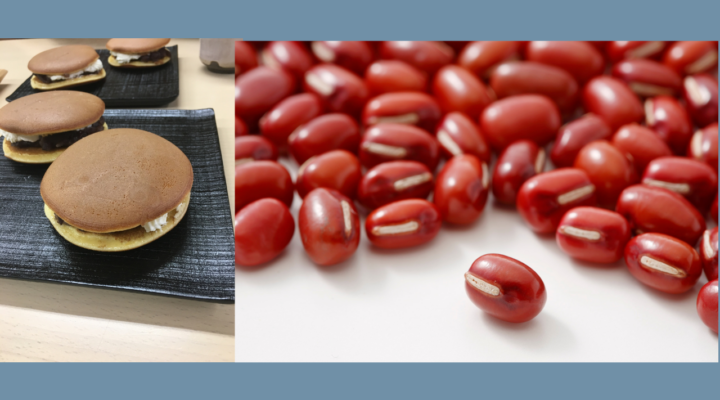
The instinct to cut fat usually costs you the soft, melting mouthfeel, because Western sponge cakes lean on lipids — butter, oil, yolk fat — to coat gluten and hold moisture. Dorayaki skin is 100% oil-free and fat-free by design, and it gets there without lipid’s 9 kcal/g cost. Instead, the mechanism is egg protein and sucrose: sugar acts as a thermodynamic shield, delaying protein coagulation just long enough on the 200°C copper griddle for air pockets to expand into a uniform, velvet honeycomb structure. The result is a moist, well-caramelized crust with zero added fat — not a compromise, a different mechanism entirely.
Part 2: The Filling Myth — Resistant Starch and Gut Health
Many chefs hesitate on sweetened red bean paste, assuming it’s just a heavy simple carbohydrate. It isn’t. Boiling and cooling Azuki beans converts a substantial share of their starch into resistant starch — starch human digestive enzymes largely can’t break down. Because it passes through the small intestine unabsorbed as calories, it functions instead as a premium prebiotic fiber: feeding beneficial gut bacteria, stabilizing blood sugar spikes, and supporting digestive health. The “heavy carb” read on Anko misses what the cooking process actually does to it.
Part 3: The Perfect 100 Amino Acid Score
Dorayaki’s protein profile is where the design gets genuinely elegant. Azuki alone already carries all nine essential amino acids with a respectable score of 82. But traditional confectionery doesn’t stop there — it pairs Azuki with wheat flour in a textbook complementary-protein effect: wheat is naturally low in lysine, Azuki is exceptionally rich in it, and each grain covers the other’s gap. Together they push the amino acid score toward 90–100. Add the whole egg in the batter, and the completed Dorayaki reaches a flawless 100. This isn’t a sugar-forward treat that happens to contain protein — it’s a nutritional system, engineered as such from the start.
The Professional Caloric Blueprint : Plating dorayaki for a commercial menu? Discover how to design a 320 kcal high-margin dessert that slashes standard pastry lipids by 85%: Calories in 1 Dorayaki: Why This Low-Fat Format Saves Your Pastry Department’s Caloric Budget
Conclusion & Your Next Steps
Designing a health-conscious dessert program doesn’t require artificial fat replacers or chemical sweeteners. It requires mastering the baseline physics of authentic Japanese pastry. Master the traditional reference point first. Then adapt it to your menu.
Step 1: Learn the Baseline (Online Bundle). Enroll in The Dorayaki Professional Mastery Path Bundle and master the authentic formulas, sugar-protein fluid mechanics, and fat-free baking science of the traditional reference point in your own kitchen.
Step 2: Perfect the Technique (3-Day Tokyo Intensive). Join us in Tokyo for our 3-Day Live Schooling. Work directly with master artisans to audit your heat execution on the Hiranabe griddle, refine your sensory An-bai calibration, and bring your signature menu concept to a commercial, production-grade reality.
[Explore The Dorayaki Professional Mastery Path Bundle and start your menu innovation today →]
The Dorayaki Quality Design Series
Build an uncompromised command of authentic Wagashi engineering. Explore the complete professional knowledge series:
- Pillar Essay: Q. What Defines Dorayaki? The Art of Harmony Between Anko and Cake
- Quality Guide: Q. What Makes Anko Essential to Dorayaki?
- Market Strategy: Q. Could Anko Be the Next Plant-Based Dessert Ingredient?
- Gluten-Free Analysis: Q. Why Don’t Traditional Japanese Wagashi Shops Sell Gluten-Free Dorayaki?
- Texture Design: Q. How Is Dorayaki’s Signature Texture Designed?
- Vegan Strategy: Q. Can Dorayaki Introduce Customers to Vegan Wagashi?
- Pillar Page: Q. Can Sugar Be Replaced in Authentic Dorayaki Recipes?
- Troubleshooting Guide: Q. Why Your Custom Dorayaki Filling Fails (And How to Fix It)