Q. How to Craft Truly Halal-Compliant Dorayaki: The Hidden Alcohol Trap in Traditional Recipes
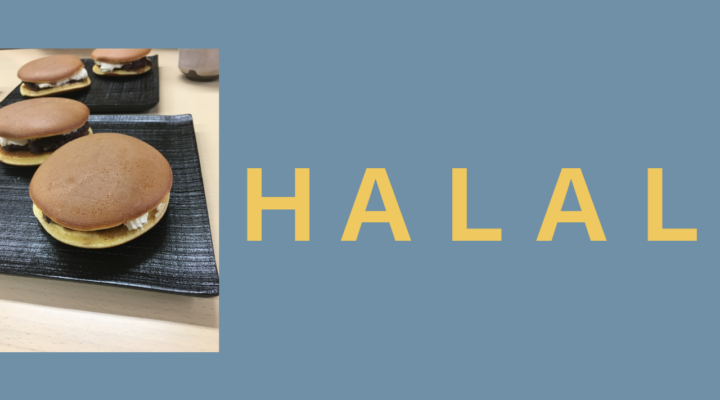
Demand for inclusive, premium, clean-label desserts is climbing across New York’s culinary landscape, and pastry teams are actively looking for high-value options that serve vegan, plant-based, and halal-compliant guests at once. On paper, Dorayaki looks like the obvious contender: eggs, flour, sugar, and a dairy-free red bean filling. But copy a standard recipe off the internet into a professional kitchen chasing that market, and you may be building in a regulatory risk you haven’t clocked. Most traditional formulas rely on Hon-Mirin to tenderize the crumb and build surface color — and Hon-Mirin carries roughly 14% alcohol, which fails strict halal standards outright. Serving non-compliant food under a halal claim is not a minor oversight; it’s a reputational risk your kitchen doesn’t need to take. Therefore, a genuinely halal-compliant Dorayaki isn’t a matter of swapping one ingredient — it requires a zero-alcohol baseline engineered to hit the same texture and quality standard through different chemistry.
Part 1: The Silent Risk — Mirin and Alcohol
Western kitchens tend to treat Mirin as a simple sweet syrup. It isn’t. It’s a sophisticated, alcohol-based condiment from fermented rice, and in traditional Dorayaki it does real structural work: its sugars bind water to keep the crumb soft over time, its amino acids and reducing sugars drive rapid Maillard browning on the griddle, and its alcohol acts as a volatile carrier for nutty, roasted-rice aroma. In a strict halal workflow, Mirin’s presence is disqualifying regardless of how much alcohol evaporates during baking. But simply removing it from a standard recipe without compensating for what it was doing usually produces a pale, dry, pancake-like skin — the texture fails along with the compliance. The fix requires understanding what Mirin was actually doing, not just where to leave it out.
Part 2: The True Halal Baseline — San-Do-Wari and Honey
Here’s the good news: authentic Dorayaki never actually required Mirin to begin with. The real benchmark for the skin is San-Do-Wari — equal parts eggs, sugar, and wheat flour — and the traditional route to a moist, well-browned, resilient crumb without alcohol runs through a single, fully halal-compliant ingredient: honey.
Honey solves the problem on two fronts. Its fructose — a natural invert sugar — is far more hygroscopic than standard sucrose, binding water deep into the starch and gluten network and keeping the crumb from turning dry or chalky. And because fructose is a highly reactive reducing sugar, it bonds with egg proteins at a lower temperature threshold than sucrose does, forging the same matte, deep-gold kitsune-iro crust on the griddle — no alcohol required to trigger it.
Master this Mirin-free, honey-based baseline, and your kitchen can serve a genuinely 100% halal-compliant Dorayaki that holds its own against Tokyo’s legendary wagashi shops.
Part 3: Why Artisans Use Mirin at All
If honey alone can produce a flawless Dorayaki, why do artisans reach for Mirin in the first place? Because in professional confectionery, Mirin isn’t a structural necessity — it’s an optional calibration tool, used to fine-tune moisture migration between skin and filling or to add a subtle umami undertone that rounds out the sweetness. Becoming fluent in that level of manipulation is a separate skill from mastering the baseline, which is why the curriculum is layered.
The foundational phase teaches the absolute benchmark using our Mirin-free recipe: balancing sucrose and honey for a velvet pore structure, precise griddle-heat control, and a consistently moist crumb — all within your existing kitchen.
The advanced phase goes into recipe modification: exactly why and how Mirin alters the gluten network, how to calculate sugar-driven water activity (Aw), and how to substitute Mirin’s chemical function using halal-compliant alternatives when you want that added flavor and shelf-life effect.
Benchmark First, Then Adaptation
Building inclusive, high-end menus is a genuine way to differentiate a brand and justify premium pricing — but you can’t adapt a recipe you don’t understand at the molecular level. A halal Dorayaki program that scales starts with a reliable, traditional reference point. Learn the rules first. Only then can you rewrite them for your market.
Step 1: Master the Baseline (Online Bundle). Enroll in The Dorayaki Professional Mastery Path Bundle and learn the traditional formulas and benchmark fluid mechanics of our 100% halal-compliant, Mirin-free recipe in your own kitchen.
Step 2: Verify Your Technique (3-Day Tokyo Intensive). Bring your skills to our 3-Day Live Schooling in Tokyo and work face-to-face with master artisans to audit your hand movements and calibrate griddle heat to a production-grade standard.
Step 3: Optimize for Your Menu (Individual Consulting). After your Tokyo residency, our paid consulting service helps you adapt the halal-compliant formulation to your specific kitchen, sales volume, packaging, and New York customer base.
[Explore The Dorayaki Professional Mastery Path Bundle and start your halal menu innovation today →]
The Dorayaki Quality Design Series
Build an uncompromised command of authentic Wagashi engineering. Explore the complete professional knowledge series:
- Pillar Essay: Q. What Defines Dorayaki? The Art of Harmony Between Anko and Cake
- Quality Guide: Q. What Makes Anko Essential to Dorayaki?
- Market Strategy: Q. Could Anko Be the Next Plant-Based Dessert Ingredient?
- Gluten-Free Analysis: Q. Why Don’t Traditional Japanese Wagashi Shops Sell Gluten-Free Dorayaki?
- Texture Design: Q. How Is Dorayaki’s Signature Texture Designed?
- Vegan Strategy: Q. Can Dorayaki Introduce Customers to Vegan Wagashi?
- Pillar Page: Q. Can Sugar Be Replaced in Authentic Dorayaki Recipes?
- Troubleshooting Guide: Q. Why Your Custom Dorayaki Filling Fails (And How to Fix It)