Q. Dorayaki Sweet Potato: Why Standard Yam Fillings Fail in a Fatless Commercial Kitchen
This article is a deep-dive extension of our pillar guide: The Dorayaki Industry Outlook: A Pastry Chef’s Low-Risk Roadmap to Commercial Scaling.
Introduction: The Seasonal Appeal of the Harvest Flavor
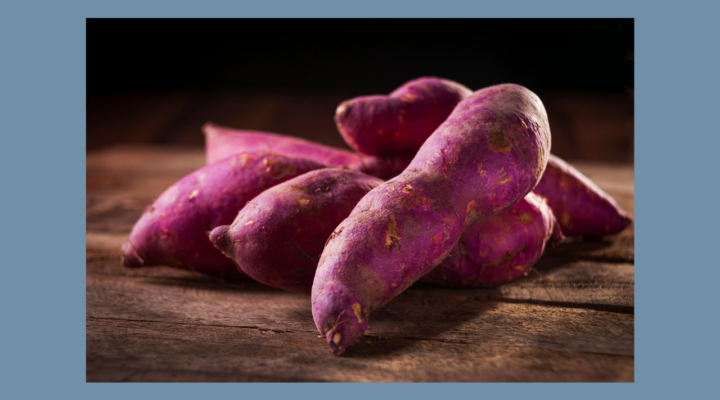
As autumn approaches, US diners start craving sweet potato, yam, and pumpkin — and bringing those familiar harvest flavors into wagashi is a genuine way to build an inclusive, high-margin seasonal special. With its clean, dairy-free baseline, Dorayaki looks like the perfect canvas for a smooth, golden sweet potato filling. But cook that filling with a standard home recipe and it self-destructs within 24 hours of packaging — leaving a dry, chalky paste that has stripped the moisture straight out of the surrounding skin. Japan’s domestic market solves this with butter- and cream-heavy “sweet potato Dorayaki,” but adding dairy to your version breaks the exact “100% plant-based, dairy-free” promise that brought your wellness clientele in the first place. Therefore the fix isn’t a recipe swap — it’s understanding why sweet potato starch fails under zero-fat conditions, and why pivoting to traditional chestnut (Kuri-an) preserves both your kitchen’s sanity and your brand’s plant-based integrity.
Part 1: The Two Molecular Barriers of Yam Starch
The gap between a working recipe and a total failure comes down to starch behavior, and sweet potato hits two barriers almost impossible to clear at zero-fat, commercial scale.
1. Extreme starch retrogradation. Sweet potato starch gelatinizes into a soft, appealing texture when cooked — but as it cools, its amylose and amylopectin molecules recrystallize fast. Because that starch is unusually unstable, it undergoes syneresis, aggressively expelling its own bound water into the surrounding environment. Sandwiched in a Dorayaki, the filling acts like a sponge in reverse: it pushes moisture out, and the thin cake skin absorbs a sudden flood of it. By morning, the skin is soggy while the filling has dried into pale, crumbly clay.
2. The dairy-free emulsification constraint. Western pastry solves starch drying with fat — butter, egg yolk, cream — coating the starch chains and physically blocking them from re-crystallizing. But traditional Dorayaki dough and wagashi fillings run zero-fat by design. Without dairy or oil available as a fix, sweet potato starch retrogrades unchecked, and a premium dessert turns dry and unsellable within hours of cooling.
Part 2: The Dilemma of the Western Pastry Kitchen
The instinct, seeing that drying tendency, is to add dairy fat — and Japan’s own commercial market does exactly that with butter, milk, and synthetic emulsifiers. But for a high-end US program built on a clean-label promise, that fix creates a direct brand contradiction.
[The brand dilemma]: health-conscious customers seek 100% dairy-free, low-fat luxury wagashi. Add butter or cream to solve yam staling, and the brand identity collapses. Stay dairy-free with yam starch, and the product turns stale and chalky. Neither path holds.
Add dairy to stabilize sweet potato, and Dorayaki stops being a clean-label alternative to heavy Western cake — you lose exactly what makes wagashi valuable in a wellness-driven market: its natural, allergen-friendly, dairy-free profile. What’s left is a heavy pancake sandwich competing head-on with every standard local bakery, with no differentiation left to sell on.
Part 3: The Professional Pivot — Why Chestnut (Kuri-An) Is the Solution
If sweet potato fails under dairy-free conditions, the professional answer is a different traditional filling entirely: chestnut.
Chestnut starch is structurally far more stable and resistant to rapid recrystallization. Cooked with traditional Japanese water-and-sugar hydration, it holds a silky texture without needing dairy fat or oil at all. Precise Brix calibration lets sucrose molecules wedge between the chestnut starch chains, permanently blocking them from re-locking — moisture stays locked in as stable bound water rather than escaping as free water.
The result is a genuinely clean-label chestnut filling that stays soft, moist, and fully integrated with the cake for days — without a single drop of butter or cream.
Conclusion: True Authority Lies in Choosing the Right Battle
A successful commercial menu respects physical and chemical law. Forcing a dairy-free sweet potato filling to hold on a commercial shelf is a fight against starch thermodynamics you don’t need to have. Professional wagashi artisans avoid the problem by choosing the right canvas for the season — and pivoting to a refined chestnut filling gets you an uncompromised, 100% dairy-free autumn product that justifies premium pricing and scales cleanly.
Your Professional Roadmap to Menu Success:
- Step 1: The Online Technical Intensive
Enroll in The Dorayaki Professional Mastery Path Bundle. Acquire the exact fluid mechanics, whole-egg foaming science, and sugar hydration benchmarks online. Under the guidance of our digital curriculum, master the foundational physical laws of oil-free baking and bean hydration in your own kitchen [92, 133]. - Step 2: The Tokyo Live Verification & Custom Menu Design
Once your online theory is secure, bring your autumn formulation ideas to our private 3-Day Tokyo Schooling. Work face-to-face with Master Artisan Yoko Senoo at Wagashi Saryo Ichiyo [110, 151] to physically audit your boiling technique, receive real-time corrective feedback on sugar penetration, and co-design a flawless, dairy-free Chestnut (Kuri) or specialty seasonal menu that perfectly aligns with your local US distribution and brand vision [148, 153].
Explore The Dorayaki Professional Mastery Path Bundle and begin your custom recipe design today →
References
- The Power of Azuki (『あずきの力』), supervised by Dr. Jun Kato .
- The Power of Azuki is So Amazing (『あずきの力はこんなにすごい』), supervised by Dr. Jun Kato .
- Effect of Storage Time and Temperature on Retrogradation of Starch .
- US Wagashi Commercialization & Supply Chain Analysis Report .
The Dorayaki Quality Design Series
Build an uncompromised command of authentic Wagashi engineering. Explore our complete professional knowledge series to master the foundational design laws of Japanese confectionery:
- Pillar Essay: Q. What Defines Dorayaki? The Art of Harmony Between Anko and Cake
- Quality Guide: Q. What Makes Anko Essential to Dorayaki?
- Market Strategy: Q. Could Anko Be the Next Plant-Based Dessert Ingredient?
- Gluten-Free Analysis: Q. Why Don’t Traditional Japanese Wagashi Shops Sell Gluten-Free Dorayaki?
- Texture Design: Q. How Is Dorayaki’s Signature Texture Designed?
- Vegan Strategy: Q. Can Dorayaki Introduce Customers to Vegan Wagashi?
- Pillar Page: Q. Can Sugar Be Replaced in Authentic Dorayaki Recipes?
- Troubleshooting Guide: Q. Why Your Custom Dorayaki Filling Fails (And How to Fix It)
- Industry Pillar: Q. The Dorayaki Industry Outlook: A Pastry Chef’s Low-Risk Roadmap to Commercial Scaling