
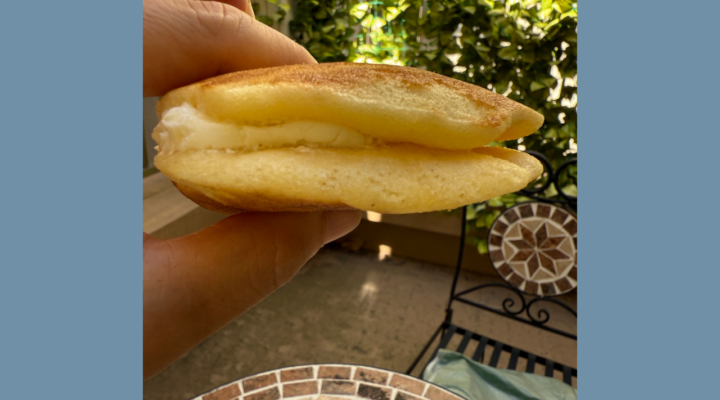
Q. Dorayaki Shop in NY: Benchmarking the Market to Design Your Signature Restaurant Dessert
Introduction: The Pastry Chef’s Market Research
You want to introduce dorayaki to your high-end New York dessert menu, and you understand that local diners seek lighter, less sweet, and wellness-focused options. But you lack a clear overview of how the local market currently positions this wagashi—including pricing, format, and fillings. Therefore, you must benchmark existing New York players to identify the open market space for your brand.
Part 1: NY Dorayaki Market Benchmarking
The New York market presents four distinct positioning segments for dorayaki and wagashi:
| Segment / Brand | Price Range | Product Format | Target Audience & Brand Value |
|---|---|---|---|
| Traditional Wagashi • K. Minamoto (Fifth Ave) | $5.00 / pc | Imported classic tsubuan, pristine individual packaging. | High-end gift-givers, corporate clients, traditionalists. |
| Innovative Cafe • The Little One (LES) | $6.00 – $9.00 | Modern interpretations: apple confit & mascarpone, sweet potato cake & spiced cream. | Trend-conscious youth, casual diners seeking creative snacks. |
| Micro-Craft Wagashi • Ogawagashi (LIC) | Under $10.00 | Handmade seasonal wagashi by a Kyoto-trained former Kajitsu chef. | Wellness-focused diners, premium tea pairing experiences. |
| Mass Retail / Snack • Muji NY, H-Mart | $1.50 – $3.00 | Factory-produced, shelf-stable, plastic-wrapped, prone to dryness. | General consumers seeking convenient, daily sweet snacks. |
Part 2: The Deeper Challenge — Finding Your Restaurant’s Edge
As a restaurant professional, you cannot simply copy these formats. Serving a plastic-wrapped snack or a basic retail import does not justify a fine dining price point of $12 to $18. At the same time, copying existing cafe menus fails to showcase your unique culinary identity. Therefore, you must design a dedicated plated dessert that translates traditional dorayaki physics into the refined context of New York fine dining.
Part 3: The Universal Law — “Know the Original Before You Reinterpret”
You have the technical pastry skills to create custom components like chocolate ganache, seasonal fruit coulis, or delicate sorbets, and you want to pair them with a fresh dorayaki shell. But if you do not understand the pure water-binding physics and the fat-free crumb structure of the authentic recipe, your fillings will cause the shell to turn soggy or collapse. Therefore, you must master the traditional formulation and baking standards before you attempt modern menu adaptations.
Part 4: Your Strategic Roadmap with DOS
- Online Baseline Mastery: Learn the exact fat-free formulation, batter viscosity, and manual baking motions using a standard crepe pan with The Dorayaki Professional Mastery Path Bundle (online.dorayakis.com). This establishes your consistent, technical benchmark in your own kitchen.
- Tokyo Live Calibration: Bring your restaurant’s custom filling and plated concept to our 3-Day Tokyo Schooling (dorayakis.com). Under the direct, one-on-one audit of Master Yoko Senoo, you will calibrate your sensory skills and refine your custom menu item to meet the highest professional standards.
The Dorayaki Quality Design Series
- Pillar Essay: Q. What Defines Dorayaki? The Art of Harmony Between Anko and Cake
- Quality Guide: Q. What Makes Anko Essential to Dorayaki?
- Market Strategy: Q. Could Anko Be the Next Plant-Based Dessert Ingredient?
- Gluten-Free Analysis: Q. Why Don’t Traditional Japanese Wagashi Shops Sell Gluten-Free Dorayaki?
- Texture Design: Q. How Is Dorayaki’s Signature Texture Designed?
- Vegan Strategy: Q. Can Dorayaki Introduce Customers to Vegan Wagashi?
- Pillar Page: Q. Can Sugar Be Replaced in Authentic Dorayaki Recipes?
- Troubleshooting Guide: Q. Why Your Custom Dorayaki Filling Fails (And How to Fix It)
- Industry Pillar: Q. The Dorayaki Industry Outlook: A Pastry Chef’s Low-Risk Roadmap to Commercial Scaling