
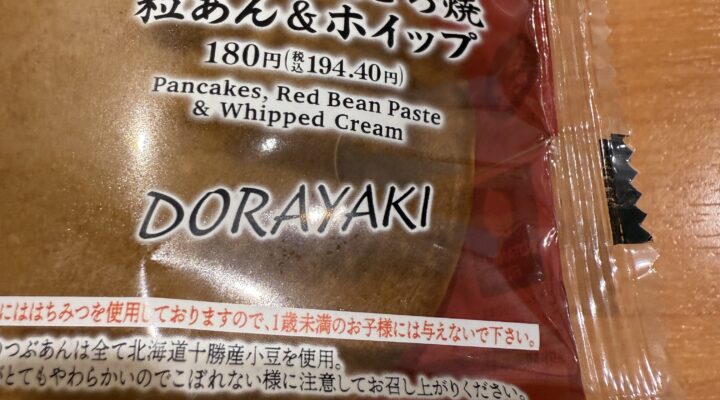
Q. Dorayaki 7/11 vs. Chef-Designed: Why Your Restaurant Confection Doesn’t Have to Taste Like a Convenience Store Classic
This article is an entry-level guide designed to support our pillar guide: The Dorayaki Industry Outlook: A Pastry Chef’s Low-Risk Roadmap to Commercial Scaling.
Introduction: The Ambassador and the Chef’s Freedom
Japanese convenience store culture — 7-Eleven’s packaged Dorayaki especially — has gone viral enough to introduce millions of Western consumers to the format already. That’s a genuine tailwind: the psychological barrier to trying it is already lower than it would be for most Japanese desserts. But many chefs then make the mistake of treating that packaged product as the standard to replicate — binding their kitchen to industrial constraints that simply don’t apply in a restaurant, and ending up with an overly sweet, static dessert that says nothing about their own kitchen. Therefore the foundational truth worth starting from is simple: a restaurant-made Dorayaki doesn’t have to taste like a convenience store one. It’s a flexible canvas, and a chef has the freedom to set sweetness, ratio, portion, and freshness to fit their own dining room.
Part 1: Respecting the Industrial Masterpiece — What 7-Eleven Perfected
Before designing your own version, it’s worth understanding what mass production actually solved for. 7-Eleven’s Dorayaki is genuine food engineering, built to answer three specific industrial problems: shelf life — formulated to aggressively delay staling across days between plant and shelf; moisture migration — high Brix binds free water to keep the skin from turning sticky inside sealed plastic; uniformity — a highly stabilized recipe, often leaning on humectants, invert sugars, or dairy emulsifiers, built to behave identically under heavy machinery.
It’s a genuinely successful design — for retail. A restaurant kitchen doesn’t share those constraints. You don’t need an eight-day shelf life or a formula built for assembly-line robots.
Part 2: The Variable Matrix — Designing the Chef-Customized Plate
Step away from the retail model and four variables open up for full customization.
1. Sweetness, as a controllable variable. In mass production, high sugar is a preservation necessity. In your kitchen, it’s a flavor decision — calibrate it to complement your menu or a beverage pairing, not to hit the ceiling packaged retail requires.
2. Filling-to-shell ratio. Retail Dorayaki holds a thick, standardized paste layer built to survive packaging pressure. On a plate, you set the ratio — a delicate, thin skin around a velvet, slow-cooked paste, or a fluffy, thick, soufflé-like shell.
3. Portion size. A retail Dorayaki is a single-serving snack. At the end of a multi-course dinner, that size can overwhelm a guest. Scale it — an elegant bite-sized mignardise, or a well-proportioned mid-sized plated dessert.
4. “0-minute” freshness. The real luxury of a restaurant dessert is control over time and temperature. Packaged Dorayaki is eaten cold, days after baking. Yours can be served warm, straight off the griddle — releasing the Maillard aroma of caramelized honey and toasted egg right under the guest’s nose. No plastic-wrapped product can replicate that.
Part 3: From Replicating Recipes to Building Architectural Knowledge
Our curriculum doesn’t hand you one fixed, low-sugar recipe to copy. A single static formula leaves your kitchen stuck the moment you switch flour brands or add a seasonal ingredient.
Instead, we teach the underlying chemistry — the exact relationships between starch, protein, sugar, and water activity. Master those laws and every variable becomes something you can manipulate on purpose: how sugar interacts with gluten and egg protein to hold a velvety crumb without artificial emulsifiers, and how to adjust your Azuki paste’s water-binding capacity so it stays moist at whatever sweetness level you choose — without oversaturating the skin. That structural understanding is what lets you design a signature Dorayaki that genuinely reflects your brand, not someone else’s formula.
Conclusion: Honor the Classic, Create Your Signature
7-Eleven and the convenience stores of Japan are incredible allies to our craft; they have built a global stage of appreciation for dorayaki. But as a professional pastry chef, your role is not to mimic the retail stage. Your privilege is to use the freedom of your kitchen to design an uncompromised, fresh, and perfectly balanced plated masterpiece.
Your Roadmap to Custom Dessert Design:
- Step 1: Master the Technical Baseline
Enroll in The Dorayaki Professional Mastery Path Bundle. Acquire the foundational griddle kinetics, whole-egg foaming physics, and sugar-hydration science online. Learn the traditional “San-Do-Wari” benchmark and understand exactly how to adjust the recipe when you choose to diverge from the baseline. - Step 2: Calibrate and Verify Your Design in Tokyo
Once your online technical foundation is secure, join us live in Tokyo for our private 3-Day Tokyo Schooling. At Wagashi Labo Ichiyo, work 1-on-1 with Master Artisan Yoko Senoo to physically develop, refine, and audit your restaurant’s custom recipe. Bring your specific sweetness targets, desired portion sizes, and service operational constraints to the griddle, and walk away with a verified, proprietary dessert program that belongs exclusively to your brand.
Explore The Dorayaki Professional Mastery Path Bundle and begin your custom menu design today →
The Dorayaki Quality Design Series
- Pillar Essay: Q. What Defines Dorayaki? The Art of Harmony Between Anko and Cake
- Quality Guide: Q. What Makes Anko Essential to Dorayaki?
- Market Strategy: Q. Could Anko Be the Next Plant-Based Dessert Ingredient?
- Gluten-Free Analysis: Q. Why Don’t Traditional Japanese Wagashi Shops Sell Gluten-Free Dorayaki?
- Texture Design: Q. How Is Dorayaki’s Signature Texture Designed?
- Vegan Strategy: Q. Can Dorayaki Introduce Customers to Vegan Wagashi?
- Pillar Page: Q. Can Sugar Be Replaced in Authentic Dorayaki Recipes?
- Troubleshooting Guide: Q. Why Your Custom Dorayaki Filling Fails (And How to Fix It)
- Industry Pillar: Q. The Dorayaki Industry Outlook: A Pastry Chef’s Low-Risk Roadmap to Commercial Scaling