
After Matcha: Why Azuki Could Become the Next Japanese Ingredient Every Pastry Chef Should Know
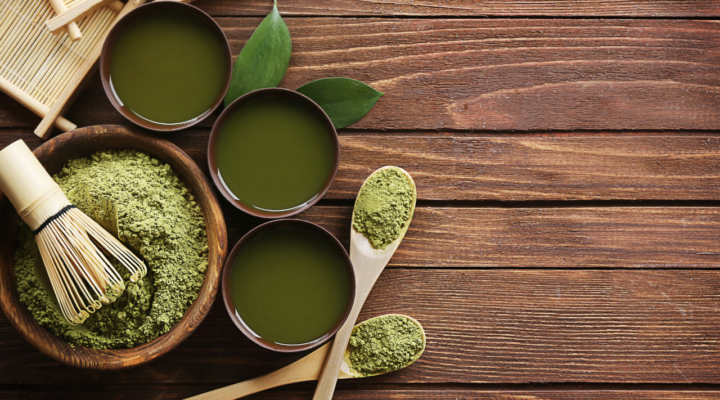
Matcha completely redefined the Western dessert landscape, bringing a vibrant green hue and a sophisticated, earthy bitterness to everything from high-end French entremets to casual NY bakery croissants, and it successfully opened the minds of global pastry chefs to the deep world of Japanese flavors. But every macro trend eventually reaches maturity, leaving the culinary capital of New York asking the exact same question: What is the next frontier? Therefore, forward-thinking pastry professionals are looking past the green tea leaf and turning their attention to the structural, cultural powerhouse of Japanese confectionery: Azuki.
Part 1: Why Matcha Is No Longer Enough
The global trend of Japanese pastry integration is undeniable, and Matcha has deservingly earned its permanent spot on menus worldwide as a mainstream staple. But because it is now everywhere—from your local corner coffee shop to corporate latte menus—Matcha has lost its edge as a premium culinary differentiator for high-end pastry chefs. Therefore, if you want your pastry program to stand out in a saturated market, you cannot simply rely on dorayaki matcha pairings anymore; you need to master the component that gives Japanese desserts their true depth and texture.
Part 2: Why Azuki Deserves Attention
Azuki is a remarkable ingredient that naturally aligns with modern global trends like plant-base, clean label, and functional health, boasting a rich heritage so profound that its cultivation roots were recently highlighted in Science magazine, tracing back to the ancient Japanese chronicle, the Kojiki. But Azuki is far more than just a historical novelty; chemically, its starches transform upon specific heating and hydration into resistant starch (fiber), allowing chefs to achieve incredible texture without relying on heavy stabilizers or animal products. Therefore, Azuki deserves your immediate attention not because it is a “new flavor,” but because it is an authentic, nutrient-dense superfood capable of solving modern pastry challenges.
Part 3: The Problem Isn’t Azuki. It’s Anko.
Many talented Western chefs attempt to boil these red beans, adding water and sugar according to standard internet videos, and they genuinely expect to create something magical for their menus. But the result is almost always the same: “It’s fine… but nothing special.” They end up with a heavy, uninspired paste because they are relying on superficial, home-cook recipes, completely unaware that true Japanese wagashi technique requires either three intensive years in a specialized academy or a decade of rigorous apprenticeship under a master. Therefore, let’s be entirely honest with ourselves: You don’t have an ingredient problem. You have a technique problem.
Mastering the Craft: Now that you know why Azuki is the next big ingredient, discover how Japanese artisans turn it into a masterclass of texture and flavor balance. Learn why traditional anko isn’t just “Japanese pastry cream”: Why Traditional Anko Follows a Different Design Philosophy Than French Pastry Cream?
Part 4: Japanese Craftsmen Never Make “One Anko”
In the Western kitchen, chefs tend to treat sweet bean paste as a singular, static ingredient, and they apply the exact same paste across various applications. But a true Japanese craftsman never makes “one anko”—the anko designed for a crisp Monaka shell is fundamentally different from the anko structurally engineered for a slice of Yokan, an elastic Daifuku, or a fluffy Dorayaki. Therefore, to successfully elevate this ingredient, you must stop “cooking beans” and start practicing Anko Design—the art of engineering purpose-built textures, moisture levels, and sweetness profiles for specific pastry mediums.
Part 5: Dorayaki Is the Best Place to Learn Anko
You might wonder why you should study Yokan or Monaka when looking to master this craft, and it is true that those desserts have their own merits. But Dorayaki is the absolute ultimate textbook for Anko Design because its unique structure demands total mastery over every single physical property of the bean at once.
When creating a perfect Dorayaki, you must precisely control:
- Moisture Migration: Preventing the liquid from bleeding into and ruining the sponge texture.
- Brix (Sugar Content) & Viscosity: Achieving the perfect density so the filling stays put.
- Graininess vs. Shape Retention: Keeping the beautiful premium look of the whole beans without sacrificing a seamless, melt-in-the-mouth quality.
Therefore, mastering the classic Dorayaki is the definitive rite of passage for any chef who wants to truly understand how to control and manipulate Azuki.
Master the Science of Anko Design
Anyone can buy azuki beans. Anyone can follow an anko recipe. But very few pastry chefs understand why Japanese craftsmen create different anko for different desserts.
If you are ready to transition from a casual observer of the dorayaki global trend to a master of the craft, our Dorayaki Online Bundle Course & Tokyo Schooling is designed specifically for professionals like you.
- The Basic Course: Master the foundational control of standard Azuki beans, learning the precise science of hydration, boiling, and sugar integration.
- The Advanced Course: Unlock the secrets of premiumization. Learn the highly guarded Mitsuzuke (honey/sugar-steeping) method using elite Dainagon Azuki to create high-margin, luxury dessert components.
The Ultimate Step: 3-Day Intensive Tokyo Schooling Once you complete the online technical modules, join me in Tokyo for a 3-day, 1-on-1 private residency. I will personally audit your technical execution, check your understanding of the cooking process, and work directly with you to co-develop a custom, signature recipe tailored to your New York kitchen—whether that means pairing your perfectly designed anko with French chocolate, local berries, or avant-garde pastry textures.
Don’t just follow the next trend. Design it.
→ [Click Here to Apply for the Dorayaki Online Masterclass & Tokyo Schooling Bundle]
Expand Your Pastry Knowledge
Want to see the bigger picture of how Japanese craftsmanship is reshaping the global dessert scene? Explore our comprehensive guides:
The Pillar Guide: Discover the macro-trends driving this movement in “Why Traditional Dorayaki is Becoming Relevant to Modern Pastry” URL: https://dorayakis.com/general/q-why-is-traditional-dorayaki-becoming-relevant-to-modern-pastry/
The Problem-Solver: Learn how these exact techniques address modern culinary demands in “How Traditional Dorayaki Can Solve Today’s Biggest Pastry Challenges” URL: https://dorayakis.com/general/q-how-traditional-dorayaki-can-solve-todays-biggest-pastry-challenges/
Master Azuki Science : What Is the Red Bean in Dorayaki? A Pastry Chef’s Guide to Azuki