The Professional Guide to Dorayaki Filling Ideas: Mastering Flavor Architecture and Texture Design
As the global dessert market increasingly embraces Japanese aesthetics, pastry professionals around the world are actively searching for new “dorayaki filling ideas” to differentiate their menus. However, before chasing novel fusion concepts, chefs must realize that authentic dorayaki design begins with mastering the absolute baseline: traditional Tsubu-an (coarse red bean paste). Therefore, this guide will deconstruct the science of flavor architecture and provide you with a professional framework to customize your fillings, ensuring your creations meet elite culinary standards.
1. The Ultimate Plant-Based Filling is “Traditional Anko”
Many modern chefs struggle to create rich, satisfying vegan fillings, often relying on unstable alternatives like aquafaba or heavy plant-based oils. But there is no need to engineer unnatural textures. Traditional Anko is, by its very nature, a 100% plant-based, clean-label ingredient made simply from adzuki beans, sugar, and water. The unique gelatinization properties of the adzuki starch deliver a remarkably smooth, rich mouthfeel and profound satisfaction without a single drop of dairy fat or cocoa butter. Mastering the technique of Anko is far more valuable than searching for new substitute fillings.
2. The Wagashi Flavor Architecture Matrix (15 Filling Ideas)
Once you establish a high-quality Anko as your foundation, you can begin to localize and innovate. Traditional Tsubu-an already contains the perfect “Golden Ratio” of the core three tastes: Sweetness, Saltiness, and Umami.
To adapt your menu for the local market, you do not need to alter this base; instead, you build upon it using our “+α” flavor architecture matrix. Here are 15 professional concepts designed to elevate your dorayaki.
【The Wagashi Flavor Architecture Matrix】 Baseline: Traditional Tsubu-an (Contains the perfect balance of Sweetness, Saltiness, and Umami)
| Design Purpose | The +α Element | 15 Specific Filling Ideas | Sensory Effect & Harmony |
|---|---|---|---|
| 1. Change the Mouthfeel | Dairy & Fats | 1. Salted Butter 2.Mascarpone 3. Cream Cheese 4. Chantilly Cream | Coats the palate with milk fat without altering sugar content, creating a rich, luxurious, and long finish. |
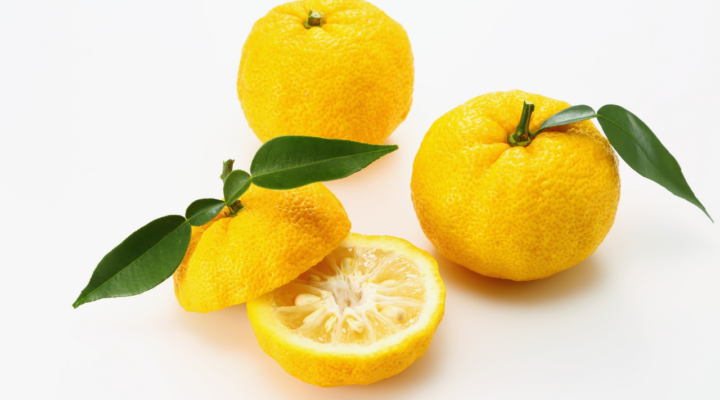
| 2. Add Aroma | Botanical & Roasted | 5. Matcha 6. Yuzu 7. Kinako 8. Hojicha | Builds layers of aroma upon the anko base, enhancing flavor complexity without adding extra sweetness. |
| 3. Introduce Acidity | Berries & Citrus | 9. Fresh Strawberry 10. Raspberry 11. Candied Orange 12. Lemon Curd | Introduces fruity tartness that tightens the sweetness of the anko, providing a vibrant brightness. |
| 4. Create Texture | Nuts & Seeds | 13. Black Sesame 14. Roasted Walnuts 15. Pistachio | Deliberately disrupts the uniform softness to encourage chewing, adding crunch and a toasted aroma. |
Deepen Your Expertise: The Scientific Trap of Custom Fillings Ready to design your signature filling? Beware of a crucial scientific trap. Using Western components like ganache or fruit purée destroys the wagashi’s delicate osmotic balance, resulting in a soggy cake or split filling. Before formulating, learn why custom fillings fail and how to calibrate your baseline recipe for success: [Troubleshooting & Recipe Calibration] Q. Why Your Custom Dorayaki Filling Fails (And How to Fix It)
3. Conclusion: “How to Harmonize” Matters More Than “What to Fill”
The matrix provides you with exceptional inspiration to localize your flavors, and these combinations can create stunning profiles. But simply placing a brilliant filling between two pancakes will result in a catastrophic failure. Why? Because while Western pastry celebrates the contrast of boundaries, dorayaki is the art of integration—the cake and the filling must dissolve simultaneously on the palate. If you do not calculate the Brix (sugar concentration) differential between your custom filling and the cake skin, you will fall victim to unchecked osmotic pressure (water migration). Therefore, a miscalculation will inevitably turn your cake into a soggy “wet rag” or leave your filling dry and separated (Sandwich Separation). Understanding how to harmonize the moisture is far more critical than what you fill it with.
Go Beyond Simple Flavour Swaps: While seasonal fillings offer immediate operational variety, true menu differentiation in a fine dining kitchen lies in deconstructing the architecture of the pastry itself. Discover how to manipulate size, format, service styles, and the cake-to-filling ratio to elevate dorayaki into a multi-component plated masterpiece. ➡ Read the Advanced Guide: Beyond the Flavor: The Five Dimensions of Dorayaki Menu Design for Pastry Chefs
Master the Science of Wagashi
Generating a great filling idea is only the first step; engineering it into a high-margin, stable commercial product requires a mastery of Wagashi benchmarks—from Brix calibration to thermal dynamics.
We invite you to master these foundational design laws online through “The Dorayaki Professional Mastery Path Bundle,” where you will learn the exact scientific formulas for moisture control and texture design right in your own kitchen. Once your foundation is locked in, join us for our 3-Day Tokyo Live Schooling to receive face-to-face feedback from master artisans and perfect your signature creation.
[Click here to explore the Online Bundle and secure your Tokyo Schooling spot today!]
Explore Seasonal Menu Ideas: Design Your Year-Round Portfolio
Now that you understand the Wagashi Flavor Architecture Matrix, it is time to scale your menu. In the high-end dessert market, seasonal exclusivity is a powerful tool to drive repeat business and command premium pricing.

Explore how to apply these design principles across all four seasons with our professional deep-dives into specific ingredients:

*  [Spring] Q. What Is the Best Berry for a Spring Dorayaki Menu?
*  [Summer] Q. Beyond Matcha: Why Yuzu Is the Ultimate Secret for a Summer Dorayaki Menu
*   [Autumn] Q. Can Chestnut Filling Elevate Dorayaki? Seasonal Menu Ideas for Cafés and Pastry Chefs
*   [Winter] Q. Why Does Chocolate Pair So Well with Dorayaki?