Q. What Is the Best Berry for a Spring Dorayaki Menu?
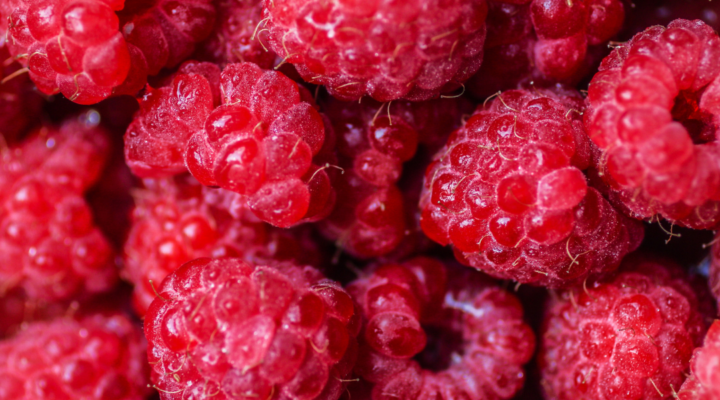
As winter recedes, New York consumers actively seek vibrant, fruit-forward desserts to mark the seasonal shift — and for pastry programs looking to capitalize on that demand, Dorayaki offers a structurally elegant platform for spring menu development. The format is built on two elements: the skin and the filling. And when both are executed with precision, the result is a dessert with remarkable flavor depth and textural sophistication. Among all the berries available in spring, raspberry stands out as the most strategically and culinarily sound choice — for three distinct reasons that go well beyond aesthetics.
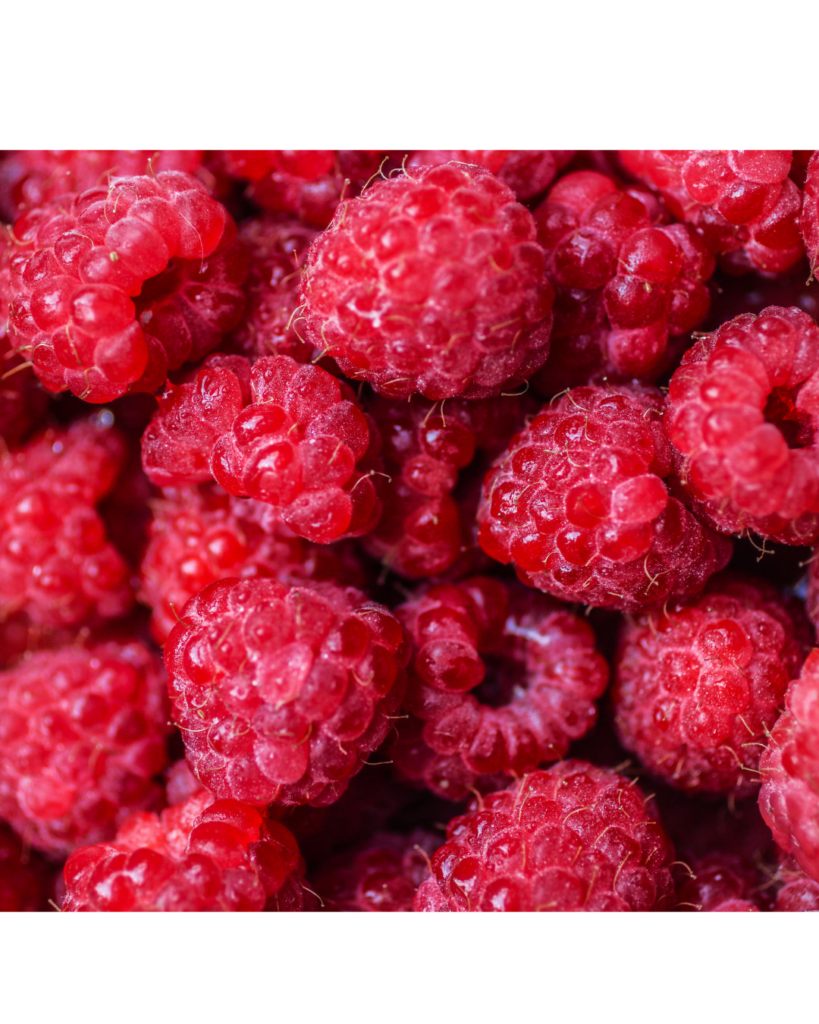
The first reason is structural. Dorayaki’s flavor and texture are entirely defined by the relationship between the Anko filling and the honey-infused skin, and that relationship depends on controlled moisture balance maintained across hours of display time. It is understandable that chefs are drawn to the visual appeal of embedding whole fresh fruit inside the filling — in the spirit of Ichigo Daifuku, where a raw strawberry nested in sweet bean paste creates an immediately compelling cross-section. But whole raw fruit introduces a level of moisture migration that the Dorayaki skin cannot absorb without collapsing: within hours, the velvet exterior softens, the structural integrity of the filling is lost, and the product becomes unmarketable. Therefore, the correct preparation format is a confit or syrup-infused reduction — a state in which moisture transfer is chemically suppressed and the fruit’s flavor is concentrated rather than diluted. Raspberry jam and house-made raspberry confit are ideal in this regard: they deliver intense berry character with none of the moisture liability of raw fruit.
The second reason is flavor compatibility. Anko’s dense, layered sweetness has a natural affinity for acidity — a balance that is well documented in traditional Wagashi pairing logic and that experienced pastry chefs will recognize immediately. But not all fruit preparations deliver the right acid profile: overly sweet reductions flatten against Anko, while excessively tart preparations overwhelm it. Raspberry confit occupies precisely the right register — its concentrated sweet-tart character creates a counterpoint to the bean paste that amplifies both components rather than competing with them. Therefore, of all the berry options available in spring, raspberry in confit form produces the most technically coherent and culinarily compelling filling when paired with Anko.
The third reason is market positioning. Spring in New York generates genuine consumer appetite for limited-time, visually striking desserts — and capturing that impulse-purchase window requires an ingredient that reads as special rather than routine. But blueberry, the default choice for many operators, has become a year-round staple associated with everyday baked goods: grocery-store muffins, standard smoothie bowls, commodity parfaits. It lacks the seasonal urgency and premium connotation needed to justify a limited-edition menu position. Therefore, raspberry — with its vivid ruby color, its association with luxury European pastry, and its genuine seasonal scarcity — is the correct strategic choice for a spring Dorayaki campaign targeting New York’s high-spend urban demographic.
Executing a spring raspberry Dorayaki program at production quality requires a command of core mechanics first — foam-free egg incorporation, precise hydration ratios, heat stabilization — and The Dorayaki Professional Mastery Path Bundle provides a structured digital curriculum to build exactly that foundation within your current kitchen setup. But calibrating the specific batter adjustments needed to maintain skin integrity against a high-acid, high-sugar confit filling — and locking in the visual and textural consistency required for sustained service — demands a level of sensory validation that digital instruction alone cannot deliver. Therefore, the definitive step is the 3-Day Intensive Live Schooling in Tokyo: a hands-on residency under master Wagashi chefs where you will finalize your raspberry confit ratios, validate your skin formula against the filling in real service conditions, and establish a spring menu that holds to production standard from the first day it hits your display case.
Build the foundation. Then launch the season.
[Explore The Dorayaki Professional Mastery Path Bundle & Tokyo Live Schooling →]
Complete Your Four-Season Revenue Loop
True market differentiation comes from a seamless, year-round limited-edition strategy. Now that you have unlocked the secrets of this season, explore our professional engineering guides for the other three quarters to keep your upscale clientele hooked all year long: