Beyond the Pancake: How Japan’s 24 Micro-Seasons and Poetic Naming Can Elevate Your Fine Dining Dessert Program
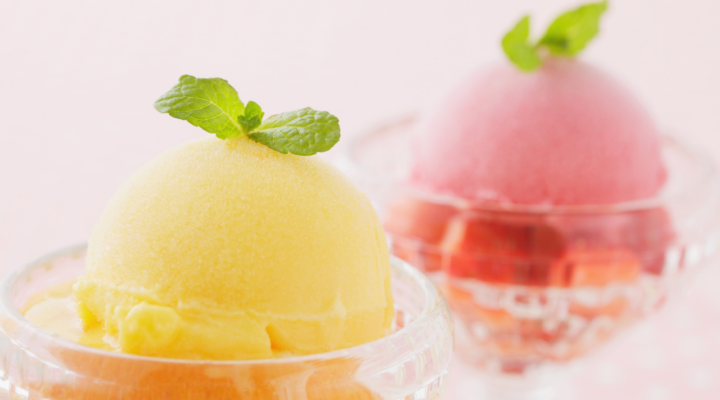
Introduction: Beyond the Saturation of “Seasonal Fruit Sorbet”
In the ultra-competitive landscape of fine dining, high-end diners are no longer moved by generic menu descriptions. Listing a dessert simply as “Seasonal Fruit Sorbet” has lost its emotional resonance; it has become background noise.
Modern culinary pioneers are shifting from macro-seasons to “Micro-Seasonality”—the art of capturing fleeting, hyper-specific natural transitions. To achieve this level of storytelling, Western pastry chefs do not need to invent a new framework from scratch. Instead, they can look to the ancient, highly evolved narrative systems used by traditional Japanese wagashi and dorayaki houses. By translating these shop stories, restaurant professionals can transform a simple dessert program into a high-margin, culturally deep sensory journey.
The 24 Micro-Seasons: A Strategic Comparison of Japanese Confectionery Models
Traditional Japanese confectionery is deeply tied to the “Sekki” (twenty-four micro-seasons) calendar. Below is a strategic comparison of how elite Japanese wagashi and dorayaki houses utilize seasonal and cultural narratives, and how these models can be translated into fine dining dessert programs:
| Confectionery Brand (Location) | Micro-Season (Sekki) Application Style | Core Brand Story | Fine Dining Application & Translation |
|---|---|---|---|
| Mikurishia (Ena, Gifu) | Editorial Calendar Model • Fully integrates natural descriptions, lifestyle, and recommended sweets into all 24 micro-seasons as a year-round editorial calendar. | Mountain bounties and seasonal transitions of Ena, the historic birthplace of chestnut wagashi. | Menu Synchronization • Use the 24-season calendar as a systematic menu-planning calendar, updating subtle garnishes and flavor accents every two weeks to drive repeat visits. |
| Awaya Sobei (Nerima, Tokyo) | Folklore & Warmth Model • Focuses on dedicated holiday and seasonal event pages, aligning products with traditional festivals and community milestones. | Rooted in the local legend of the strongman “Sobei,” transforming wagashi into small, daily joys for the community. | Heritage Narrative • Infuse regional folklore or human-centric stories into menu descriptions, shifting the dining focus from raw ingredients to cultural heritage. |
| Kinomori (Nishio, Aichi) | Landscape Memory Model • Highlights specific seasons like “Seimei” (Pure and Clear), pairing limited-run sweets with poetic evocations of double-blossom cherry trees. | Capturing fleeting natural beauty and landscape memories through artistic sugar and bean paste craftsmanship. | Sensory Landscape Mapping • Structure your dessert plating to evoke a specific, transient geographic memory, transforming the plate into a visual and edible landscape. |
| Kashidokoro Akagi (Tama, Tokyo) | Auspicious Wellness Model • Directly connects sweets with cultural practices of health and luck, such as consuming pumpkin during “Toji” (Winter Solstice) for vitality. | Creating “Musashino Soka” (thoughtful sweets of Musashino), prioritizing the connection between deliciousness and smiles. | Auspicious Intent & Wellness • Frame your dessert ingredients around natural wellness, functional benefits, or cultural “reasons to eat,” giving diners a deeper purpose on the plate. |
“Kamei”: Poetic Naming and Sensory Abstraction
One of the most powerful narrative tools used by historic houses like Toraya is the concept of “Kamei” (poetic naming).
Western dessert menus typically describe dishes using literal ingredients: “Red Bean and Cherry Cake.” While clear, this direct approach limits the guest’s imagination. In contrast, wagashi creators name their creations after classical poetry, historical events, or natural phenomena.
For instance, Toraya’s classic red bean bar is named Yoru no Ume (Plum in the Night), evoking dark plum blossoms catching the faint light of a midnight moon.
By renaming a dish on your menu from a literal ingredient list to an evocative title—such as “Keichitsu: Awakening Soil”—you prime the diner’s mind before the plate even arrives. This layer of abstraction heightens their sensory focus, turning a simple bite into a sophisticated, intellectually engaging dining event.
The Chemistry of Pairing: The Zero-Fat Canvas
Beyond emotional storytelling, traditional dorayaki possesses a unique chemical structure that makes it an extraordinary vehicle for high-end beverage pairings.
Western pastry heavily relies on fats (butter, cream, cocoa butter) to carry flavor and structure. While delicious, these lipids coat the tongue, creating a physical barrier that dulls the palate.
Traditional sweet bean paste (anko), however, is a completely fat-free canvas. Prepared strictly with legumes, water, and highly refined sugars like Shirozarato, it delivers clean, uninhibited sweetness. Because there are no lipids to coat the tongue’s taste receptors, the palate remains fully receptive to complex, volatile aromas.
This makes anko an exceptional match for post-dinner pairings. When paired with high-proof, aged spirits—such as smoky single-malt whiskies, rich cognacs, dark rums, or rare single-origin teas—the flavors do not clash. Instead, the aromatic molecules of the beverage bind seamlessly with the caramelized notes of the honey-infused, Maillard-rich dorayaki shell, creating an exceptionally long, clean-melting finish that a butter-heavy Western cake can never replicate.
Conclusion: The Path to Becoming a Culinary Translator
Baking a basic cake from a recipe book is easy. But translating a foreign culinary tradition into a cohesive, high-value fine dining program requires a deep understanding of both food science and cultural history.
To elevate your dessert program, you must transition from a recipe copier to a “Culinary Translator”—someone who understands the precise physical chemistry and cultural narratives of traditional sweets.
At the Dorayaki Online School (DOS), we serve as your academy for this translation. We do not just teach recipes; we provide the scientific and cultural frameworks necessary to build a world-class dessert program.
- Step 1: Build the Foundation Online: Begin with The Dorayaki Professional Mastery Path Bundle (online.dorayakis.com). Here, you will master the classic San-Do-Wari (1:1:1) egg-to-sugar-to-flour ratio, fluid mechanics, and hydration rules to establish a perfect, reliable baseline recipe in your own kitchen.
- Step 2: Live Calibration & Base Recipe Confirmation in Tokyo: During our private 3-Day Tokyo Schooling (dorayakis.com), Master Yoko Senoo will personally audit your physical execution of the classic baseline to ensure you have internalized the fundamental griddle movements. Once your proficiency is verified, we will work with you face-to-face to finalize and confirm your restaurant’s specific foundational recipe tailored to your local guests. Please note that advanced beverage pairings, hyper-seasonal flavor R&D, and custom narrative curation exceed the scope of the 3-day class; these high-level areas are exclusively supported through our post-schooling Individual Consulting Services under a separate contract.
Deepen Your Technical R&D (Related Articles)
- Wagashi Taxonomy 101: Wagashi Taxonomy 101: Structurally Classifying Dorayaki in the Sweets Universe
- San-Do-Wari Baseline: Q. How Does Sugar Shape the Color and Aroma of Authentic Dorayaki?
- Takeout Freshness Science: Q. Dorayaki Packet: Why Freshness is the Ultimate Luxury for Your Grab-and-Go Dessert
- Master Seasonal Storytelling : Beyond “Japanese Pancake”: Anchoring Dorayaki on Your Menu Without Losing Your Poetic Voice
Featured Confectionery Brands & Official Websites
To explore the authentic brand stories, seasonal systems, and historical heritages analyzed in this article, you may visit their official websites directly:
- Mikurishia (恵那栗工房 美栗舎): Official Website (Ena Kawamiya)
- Awaya Sobei (あわ家惣兵衛): Official Website
- Kinomori (季乃杜): Official Website
- Kashidokoro Akagi (菓子処あかぎ): Official Website
- Toraya (とらや): Official Website (Toraya Group English)